
10 Questions to Ask a Wedding Venue Before You Book
A couple came to us last spring with a story we hear too often — their final invoice from another venue was $4,200 higher than the quote they had signed on. Service charges. Overtime. A vendor meal requirement buried in paragraph nine. Nothing illegal. Never explained clearly enough before the deposit cleared.
We are a venue. We have a stake in how you answer these questions. We are still telling you to ask every one of them — of us and of every other venue you tour.
Here are the 10 questions to ask a wedding venue before you sign anything — with specifics on what the answers should look like and what they tell you about the venue.
Why Most Couples Get Burned — and How Questions Fix That
The most common venue regret we hear has nothing to do with aesthetics. Not the draping color. Not the lighting.
It is the fees they never saw coming.
Seventy-eight percent of couples say pricing is the number one factor in deciding who to contact — and yet final bills routinely arrive with service charges of 18 to 25 percent on top of catering, overtime fees for a party that ran ninety minutes long, cake cutting fees at three dollars a head, and required vendor meals nobody mentioned during the tour. On a $15,000 catering package, that adds up fast.
We have welcomed couples who came to us after a first venue experience left them with a final invoice 30 percent above what they had budgeted. That is not a rounding error.
The solution is not distrust. It is preparation. Every question on this list is something the right venue will answer directly, in writing, without hesitation.
Question 1: What Is Actually Included in the Price?
This sounds like it should have a simple answer. It rarely does.
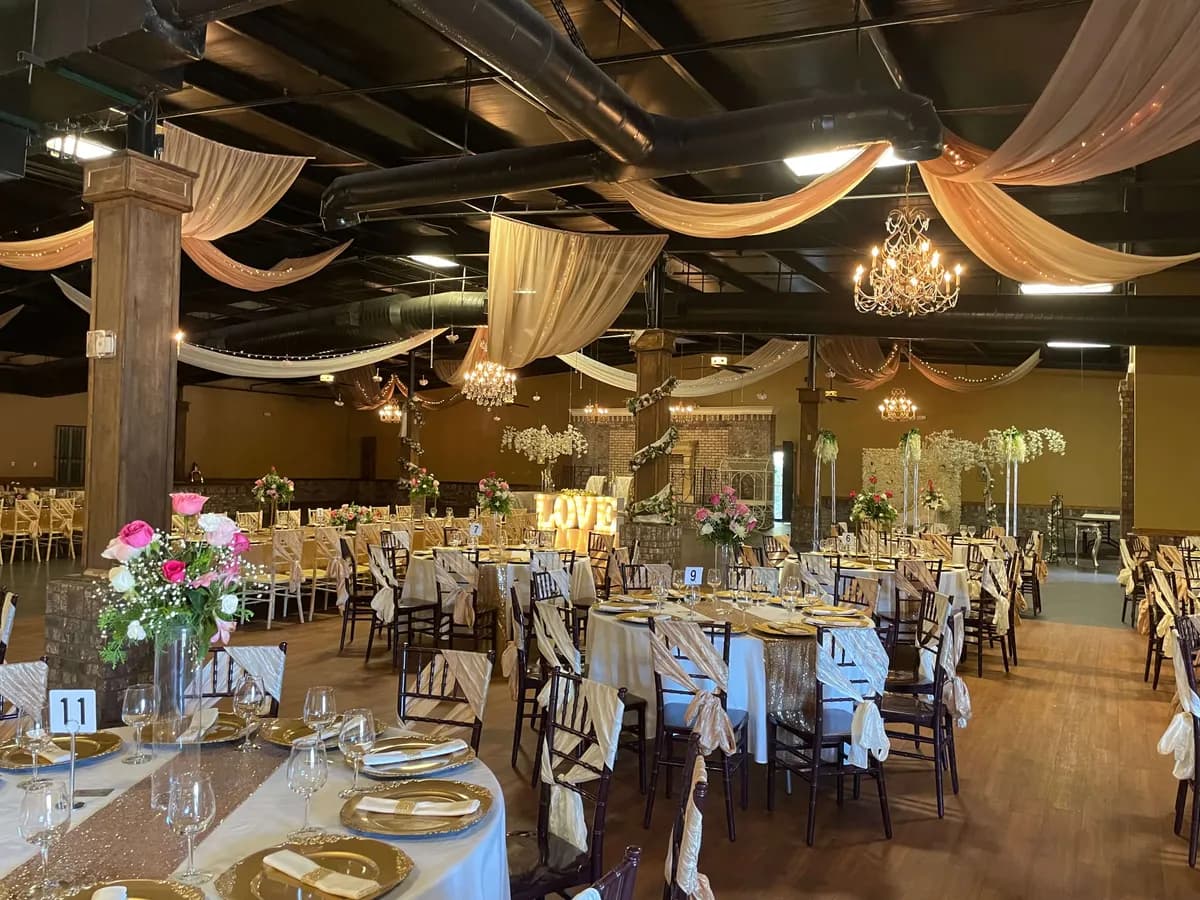
When a venue quotes you $4,500 for a Saturday, that number tells you almost nothing by itself. One venue at $4,500 includes tables, chairs, floor-length linens, a bridal suite, a groom's suite, setup hours, and full cleanup. Another at the same number gives you four walls. You source everything else.
Ask specifically: tables and chairs (how many, what style), linens, a bridal suite with mirrors and outlets, vendor access hours before the ceremony, event staff on the day of, parking, and cleanup. Ask for the written list — not a summary, the itemized list.
A venue confident in its inclusions hands you that list before you ask twice. At La Hacienda, our all-inclusive packages spell out every line item — because you deserve to know exactly what you are getting, not what you are hoping you get.
Question 2: What Are ALL the Additional Fees?
The headline rental number gets couples in the door. Everything else shows up in the contract.
Here is what to ask about specifically: service charges (18–25 percent on top of catering costs — on a $20,000 catering package, that is $3,600 to $5,000 before taxes), overtime fees ($500 or more per hour if your event runs long — ninety extra minutes at the wrong venue costs $750), cake cutting fees ($2–5 per person to serve your own cake), corkage fees if you bring outside alcohol, outside vendor fees if your preferred photographer is not on the venue's approved list, and required vendor meals for anyone working your event.
Ask this directly: what would make my final bill higher than the number you are quoting me right now? A venue willing to answer that honestly is telling you something useful about how they operate. Our position is that transparent pricing is not a competitive disadvantage — it is how couples decide to trust you.
Question 3: What Is Your Cancellation and Postponement Policy?
Life changes. Plans fall through. The #1 fear couples bring into venue conversations is getting locked into a contract and finding restrictions or costs they did not know about.
Ask how much of your deposit is refundable if you cancel twelve months out, six months out, thirty days out. Most reputable venues use tiered refund structures — the closer you are to the event, the less you recover, which is fair. A flat zero-refund policy under any circumstances deserves extra scrutiny.
Ask whether the contract includes a force majeure clause that explicitly covers government restrictions on gatherings. After 2020, that language became non-negotiable. If the venue's force majeure section covers only floods and fires — not public health orders — it may not protect you.
A venue whose cancellation policy is clearly written and honestly explained before you sign is telling you something important about how they will operate on your wedding day.
Question 4: Can I Use My Own Vendors, or Do I Have to Use Yours?
This question can change your total wedding cost by thousands of dollars — and many couples do not think to ask it until after they have signed.
A preferred vendor list means the venue recommends certain vendors but will work with outside hires, sometimes with an outside vendor fee of $200 to $500. Exclusive vendors means you are required to use the venue's designated caterer, bar service, or other providers. No substitutions. No price comparison shopping. You pay whatever rate the exclusive vendor sets.
Ask: Do you have a required caterer? Is your bar package mandatory? Are there any services where I have no choice of vendor? If I hire outside your preferred list, what is the fee? All of that belongs in the contract — not just in the verbal tour conversation.
For a full breakdown of how an all-inclusive model changes this math, see our comparison of all-inclusive wedding venue vs. building your wedding piece by piece.
Question 5: How Long Do We Actually Have the Venue?
Setup and breakdown time is often not included in the quoted rental window — and couples do not realize it until vendors are scrambling.
When a venue says "six-hour rental," that window may or may not cover your florist's three-hour room setup, your DJ's ninety minutes of soundcheck, or your caterer's kitchen access before guests arrive. If vendors cannot get in until two hours before your ceremony, you are not getting six hours — you are getting a problem.
Ask: What time can vendors enter for setup? What time must the event end? How much time do vendors have to break down afterward? Is any of that included in the price, or does extended access cost extra? Ask whether another event is scheduled the same day — the timeline math gets tight fast.
Get the full access window in writing. Not just the party hours.
Questions 6 Through 10: The Five That Catch Couples Off Guard
The first five questions protect your budget. These five protect everything else.
Question 6: What is your alcohol policy?
In Georgia, this is not just a logistics question — it touches on state licensing law.
Venues that hold a Georgia liquor license are regulated by the state and typically cannot allow outside alcohol. You purchase through their bar program. Venues without a license may allow BYOB, but you will need to hire a licensed bartender or catering service to serve it — and county rules vary across North Georgia, so verify locally.
Ask specifically: Do you have a liquor license? Can we bring our own alcohol, and is there a corkage fee? What are your bar packages and per-person costs? When does the bar close? And critically: who carries liability if a guest is overserved and causes harm afterward? In Georgia, that liability question has real legal weight.
Question 7: Do you have a backup plan for bad weather?
Georgia weather is genuinely unpredictable — a clear October morning can turn into a severe thunderstorm before your cocktail hour ends. If you are planning any outdoor component, ask: Is there covered indoor space on the property for a weather move? Is there a fee to use it? Who makes the call on moving inside, and how early?
For summer events, heat is its own concern. Ask about shade, airflow, and climate control for guests who cannot tolerate ninety-degree heat during an outdoor ceremony.
Question 8: What is the capacity — really?
A room rated for 200 people in cocktail-standing mode may hold 120 when you add round dinner tables, a dance floor, a DJ booth, a buffet station, and a gift table. Ask for the seated capacity with your specific layout — round tables with a dance floor. Ask to see a floor plan. Ask how the room gets configured if you need both a ceremony and a reception setup in the same space — and how long that transition takes.
Question 9: Is there on-site parking, and is it free?
Couples routinely forget to ask this until they are mailing directions to 150 guests and realize the venue has 40 parking spots. Count the spaces. Ask about accessible parking. For downtown or urban venues, ask about overflow lots and whether a shuttle is recommended.
Question 10: Do you have a day-of coordinator?
There is a real difference between a venue coordinator and a personal wedding coordinator. A venue coordinator works for the building — managing kitchen logistics, vendor access, and room setup. A personal coordinator works for you — managing your full timeline, communicating with every vendor, and handling anything that goes sideways.
Ask which role the venue's staff plays on your day. Ask whether the coordinator you have been working with through planning is the same person who will be on-site. Ask what happens if that person calls in sick.
If a venue offers no on-site coordination support at all, you become the logistics manager on your own wedding day — which is not a role you want.
Red Flags That Tell You More Than Any Answer
Some things cannot be answered directly — they have to be observed.
Vague pricing with nothing in writing. Ballpark numbers with no written itemized quote is a warning. The final number will almost always be higher.
High-pressure urgency. "We have two other couples looking at this date and I cannot hold it past Friday." A venue worth booking gives you a reasonable window to make a confident decision.
Contracts with floating language. "Additional fees may apply" or "standard cleaning fee" with no dollar amount attached benefits the venue, not you.
No backup plan. A venue that shrugs at questions about weather contingencies, coordinator illness, or power failures is telling you how they will handle problems on your actual day.
How a venue treats you as a prospective client is a preview of how they will treat you as a booked couple. Pay attention to whether they welcome your questions or redirect them — that is real information.
How La Hacienda Answers These Questions
We built our packages to eliminate most of what this checklist is designed to catch.
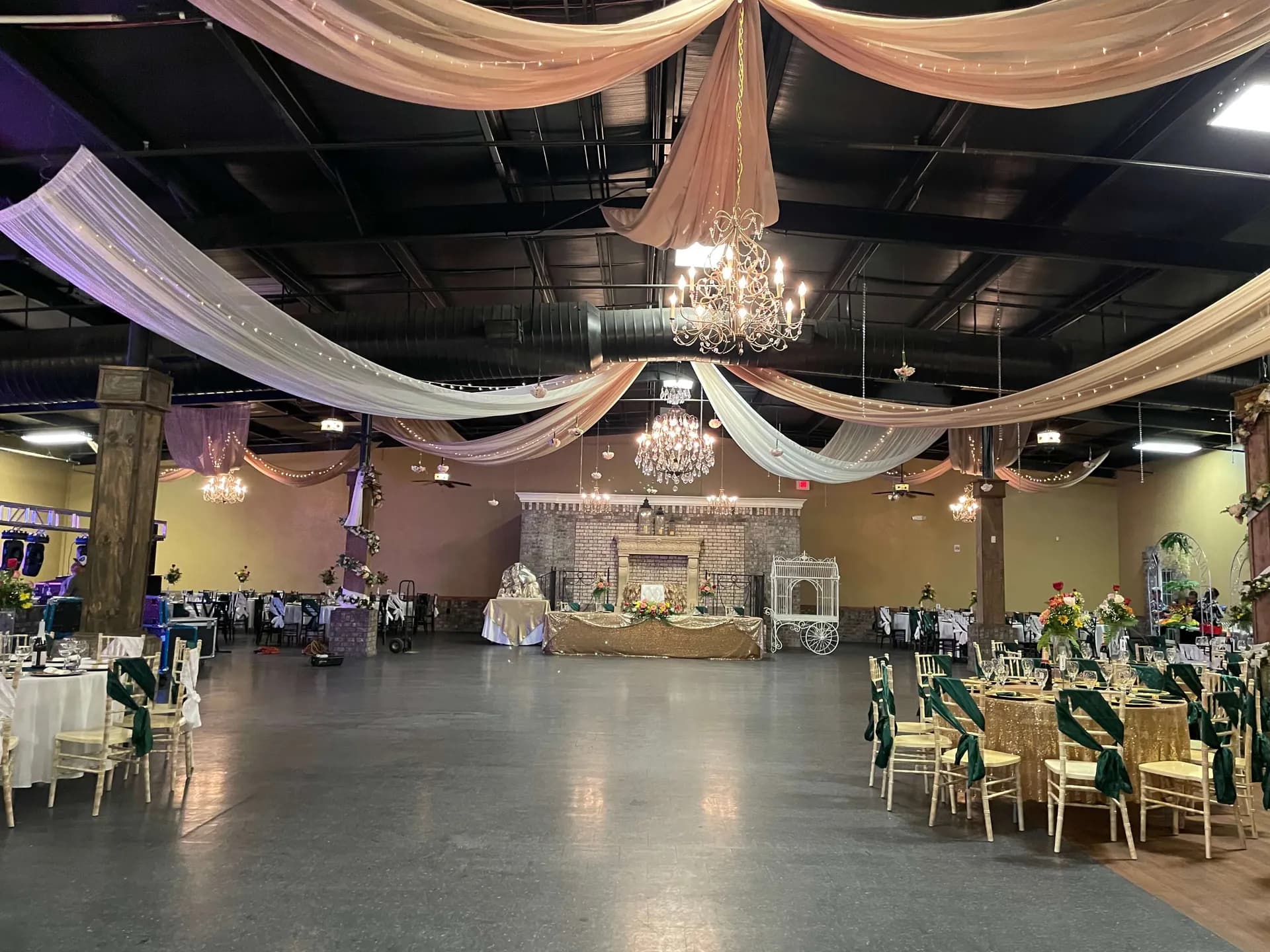
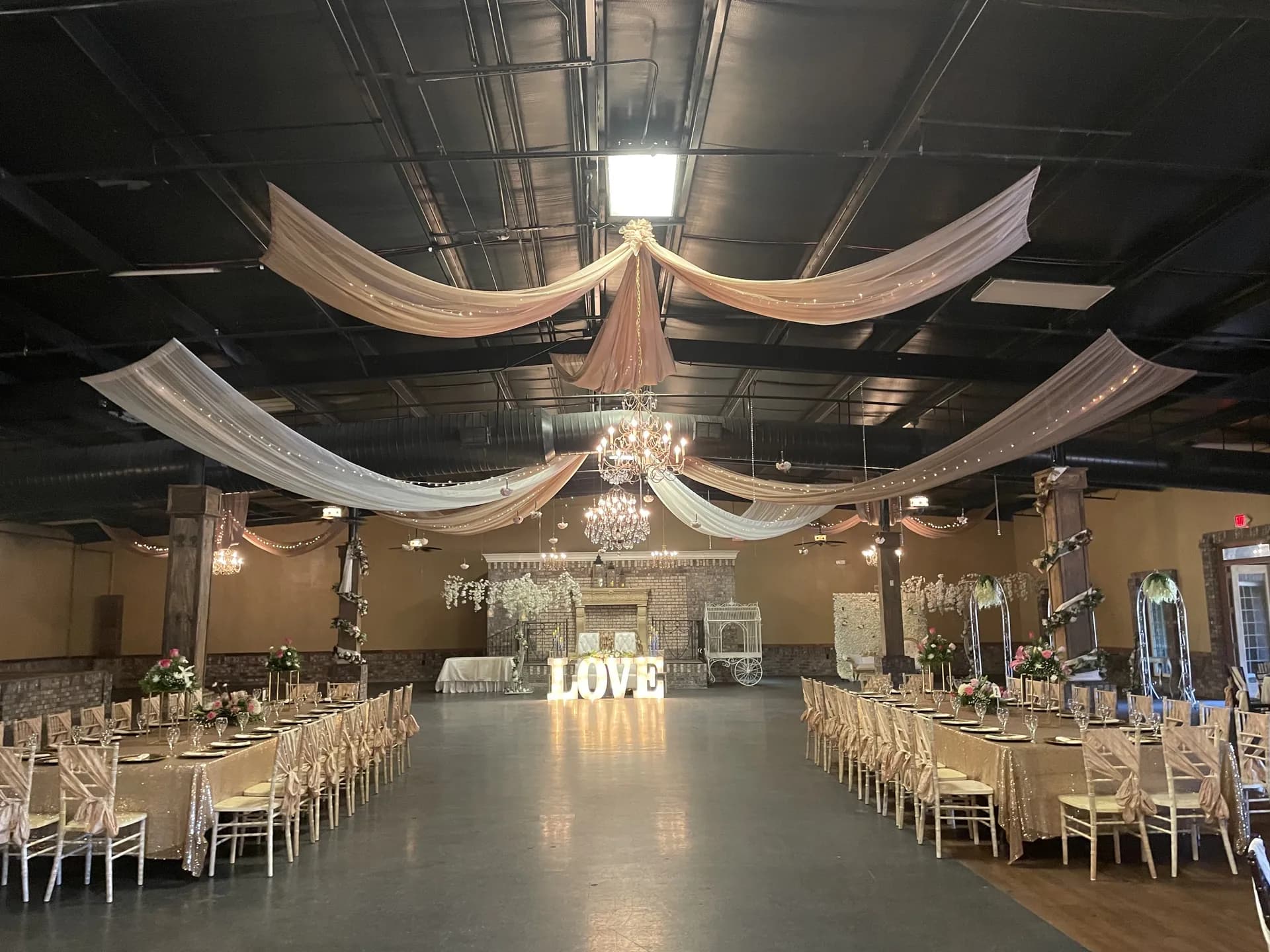
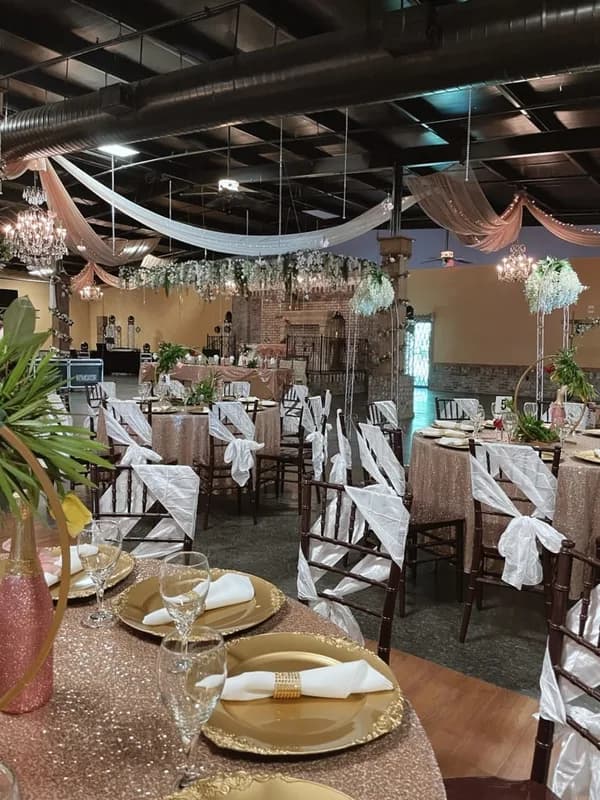
The all-inclusive wedding packages at La Hacienda include tables, chairs, linens, in-house catering, event coordination, the bridal suite, cleanup, and vendor access windows — all in writing before you sign anything. Service charges disclosed upfront. Overtime policy explicit. No exclusive vendor arrangements that lock you into prices you cannot shop.
The price we quote is the price you plan around.
If you are still building your shortlist, our guide to top fall wedding venues in North Georgia and our Lake Lanier area wedding venue options cover the full picture.
We welcome every one of these questions. Walk in with all of them. Schedule a private venue tour and see what transparent, all-inclusive looks like in person.
Frequently Asked Questions
What are the most important questions to ask a wedding venue?
The three that protect your budget most: what is included in the price, what are all the additional fees, and what is the cancellation policy. A venue that answers all three directly, in writing, without hesitation is telling you something important.
What hidden fees do wedding venues charge?
Service charges (18–25 percent on top of catering costs), overtime fees ($200–500 per hour), cake cutting fees ($2–5 per person), corkage fees for outside alcohol, outside vendor fees, and required vendor meals. These can push a final invoice 20–30 percent above the original quote.
What should I look for in a wedding venue contract?
The exact event date and access times, an itemized list of inclusions, all fees with specific dollar amounts (not vague language), cancellation and refund terms, a force majeure clause covering government restrictions, vendor policies in writing, and the payment schedule. Verbal promises carry no weight after the signature.
How do I compare multiple wedding venues fairly?
Build a spreadsheet. Track base price, written inclusions, estimated total with all fees, seated capacity with your layout, setup and breakdown hours, vendor restrictions, alcohol policy, parking, and cancellation terms. Emotional impressions from a tour are real — but unreliable when you are comparing $4,500 quotes that cover very different things.
See La Hacienda for Yourself
Book a free venue tour and find out why couples choose all-inclusive over DIY.